Starting in 2023, one US based applicant per season of the International Residency will be awarded a Full Fellowship, which covers all program fees for the season. A jury consisting of NARS staff and select art professionals review applications on the merit of artistic quality and level of need; studio practice; and the potential professional development and benefit from engaging with the NARS community. Only US based artists are eligible to receive the Full Fellowship.
Click here to learn more about the International Residency Program, and how to apply.
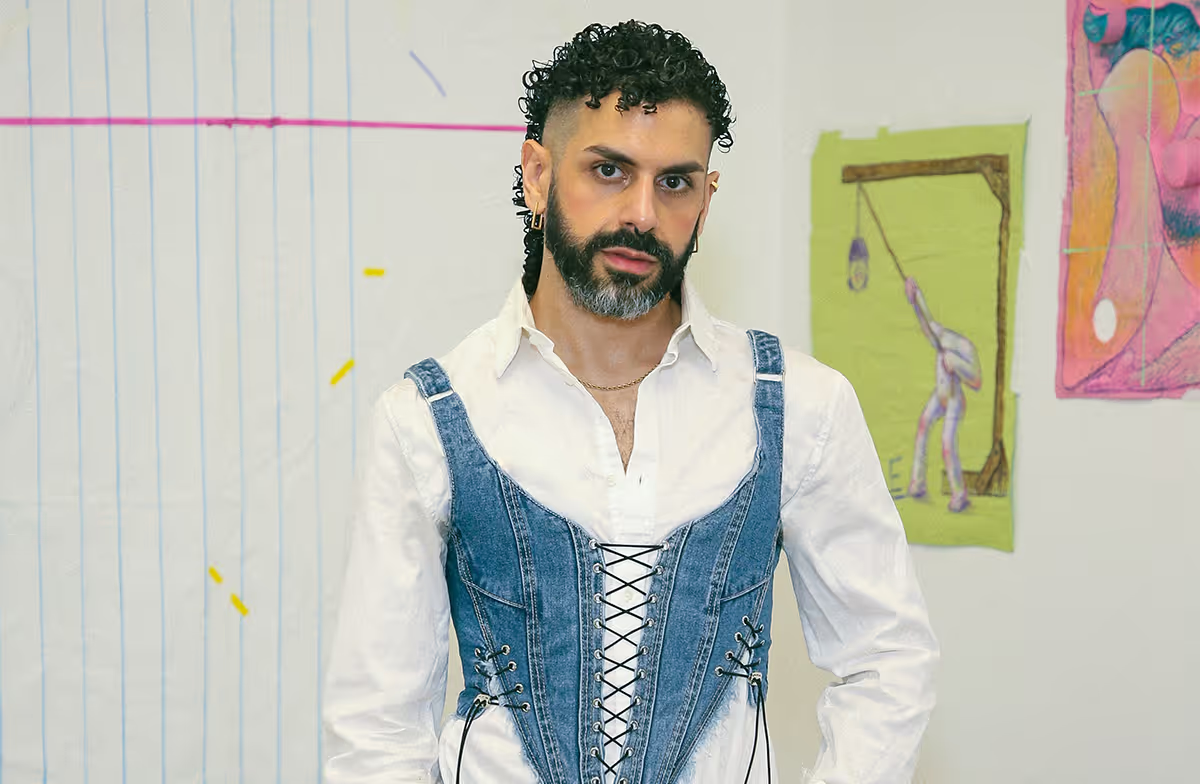
Obadah Aljefri is a Brooklyn-based multidisciplinary artistand designer rooted in long-term investigations into identity and perceptionacross queer, Muslim, and diasporic experience. Their conceptual practiceintegrates painting, sculpture, installation, performance, and illustrationwith satirical, abject, and tender gestures that trouble the violences of thegaze. Holding an MFA in Integrated Practices from Pratt Institute and a BFA inIllustration from the Savannah College of Art and Design, they bring over tenyears of experience in art production, art direction, illustration, andbranding across art, design, fashion, and marketing. Aljefri has worked onmajor exhibitions with Muhannad Shono, Jenny Polak, and Andrew Woolbright, andhas exhibited internationally at Ithra, the Bronx Council on the Arts, 21,39Jeddah Arts, and Volta Basel.
I’m feeling reflective and a bit in-between, like I’m still metabolizing everything that happened during the residency while also looking ahead. There’s a sense of gratitude, but also a little sense of a burnout.
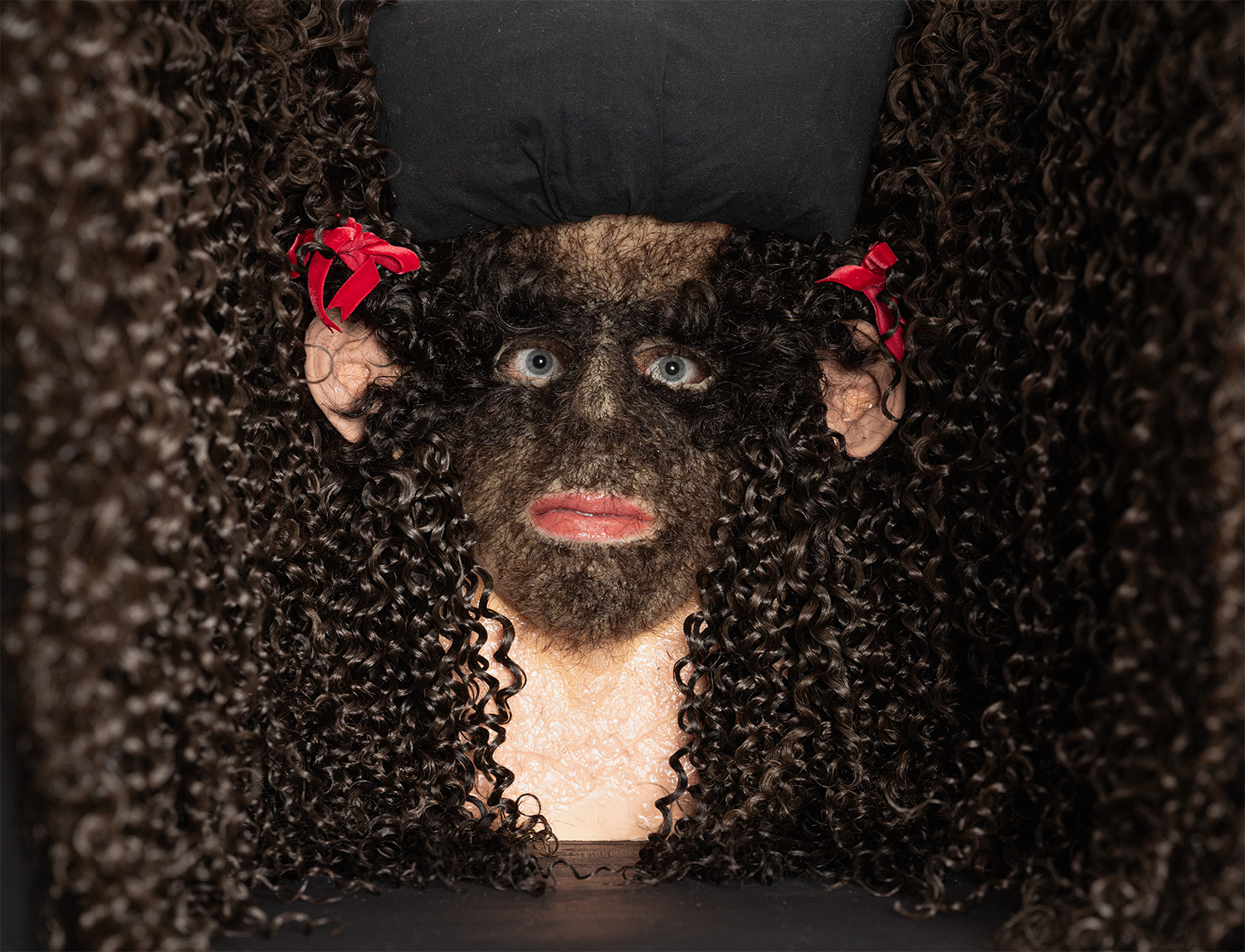
I am a transdisciplinary cultural practitioner working across painting, sculpture, installation, and performance. Drawing from my roles as an artist, art director, and illustrator, my practice navigates the ideologies and semiotics of a self-proclaimed Homo sapiens society. Rooted in personal experience, it operates as a sociological archive shaped by a non-conforming body assigned shifting labels: queer, Arab, Muslim, other.
My days tend to begin slowly. I usually spend some time sitting with the work before touching anything, just observing, sometimes journaling or sketching. Once I start, I move pretty intuitively between making, adjusting, and stepping back again.
At NARS, I developed a rhythm of working in cycles, intense, almost obsessive periods of making followed by pauses where I’d walk, talk to other residents, or just let things sit. Those pauses became just as important as the making itself. I also became more comfortable leaving things unresolved, which is something I used to resist.
I’m drawn to artists who engage the body as a site of both projection and resistance, artists like Patricia Piccinini, Louise Bourgeois, and Mona Hatoum. I also think about performance and embodiment through artists like Cassils and Damien Jalet in terms of gaze and intimacy. Beyond specific names, I’m influenced by ritual, horror, and folklore, spaces where the familiar becomes strange and meaning isn’t fixed.
I was surprised by how much my work opened up when I allowed it to be more ambiguous.
The studio visits and informal conversations were the most impactful for me. There’s something about a one-on-one exchange in the space where the work is happening that feels especially generative. It allowed for a kind of honesty and specificity that’s harder to access in more formal settings.
Yes, this was a period of expansion for me. I pushed further into working with textiles, organic textures like silk pompom, epoxy, and sculptural forms that feel more bodily and tactile. I also allowed myself to experiment without needing immediate resolution, which led me to think more about process as a space of meaning rather than just a step toward a final object, something I often struggle with. It opened up new ways of thinking about scale, intimacy, and viewer interaction.
A deeper trust in my instincts and a stronger sense of my work’s direction. Also, the relationships I built here, they’ve been incredibly grounding and will continue to shape my practice moving forward.
Let yourself be open to change. It’s easy to come in with a fixed plan, but the most meaningful shifts often happen when you allow the work—and the environment—to challenge you. Also, take time to engage with the people around you. The community is just as important as the studio.