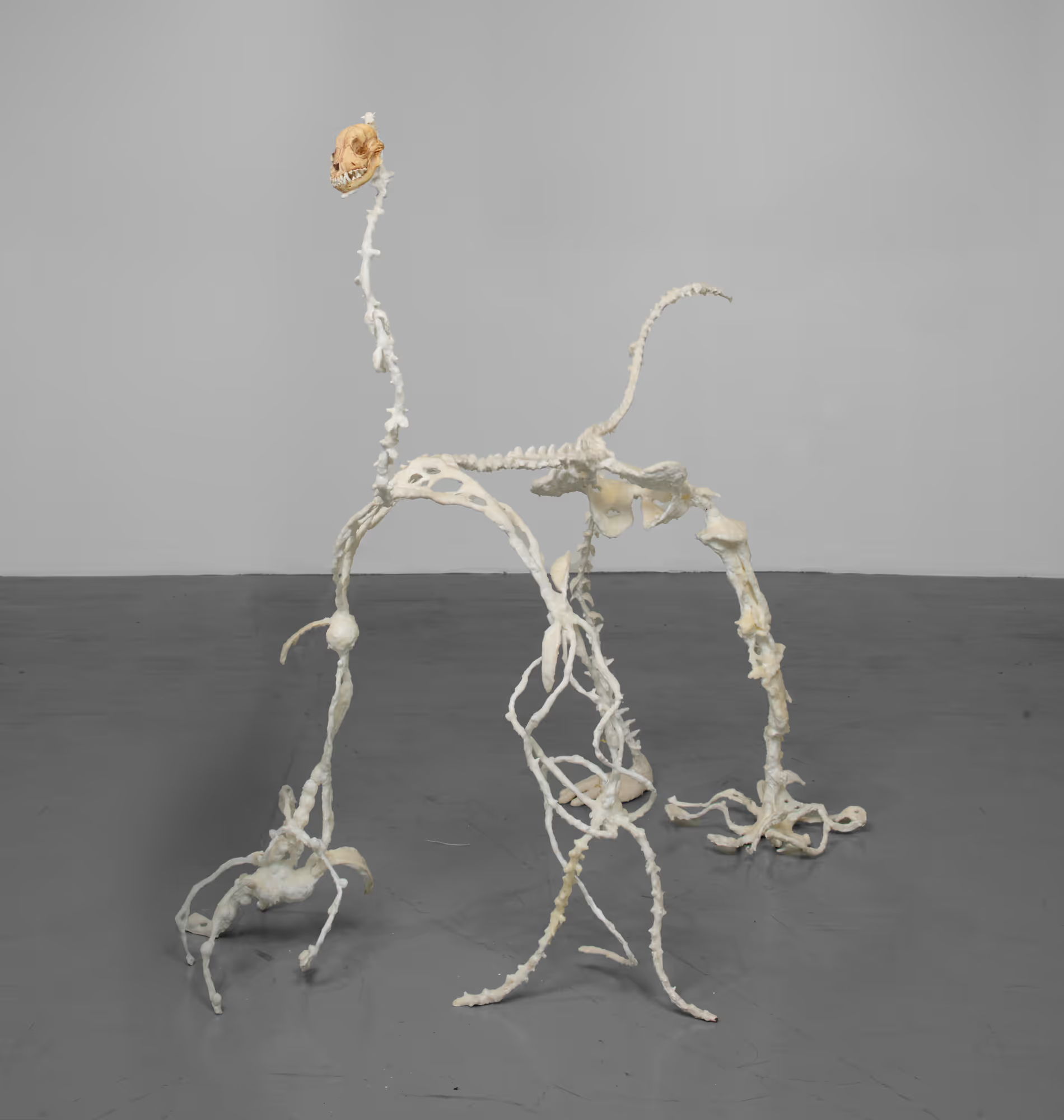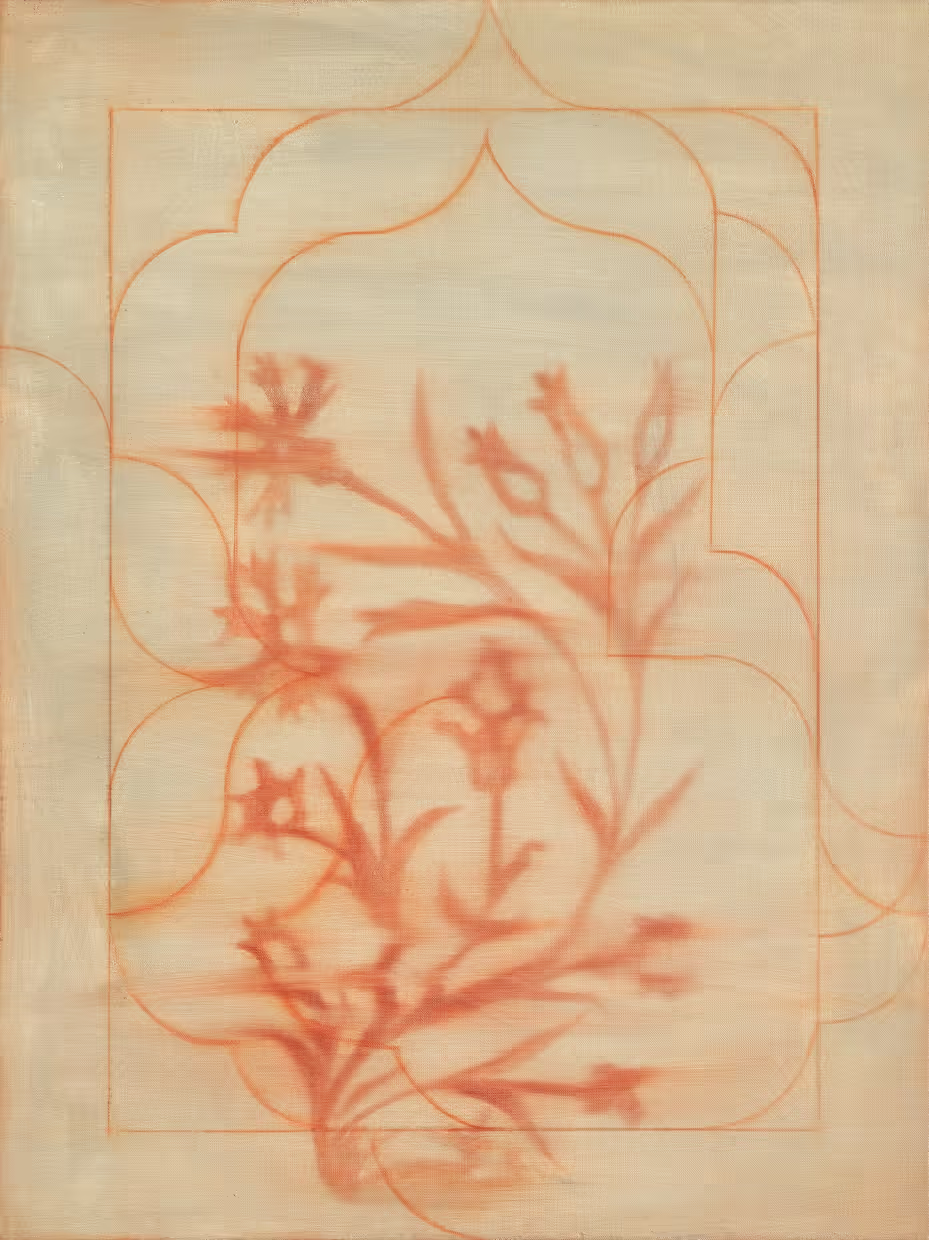

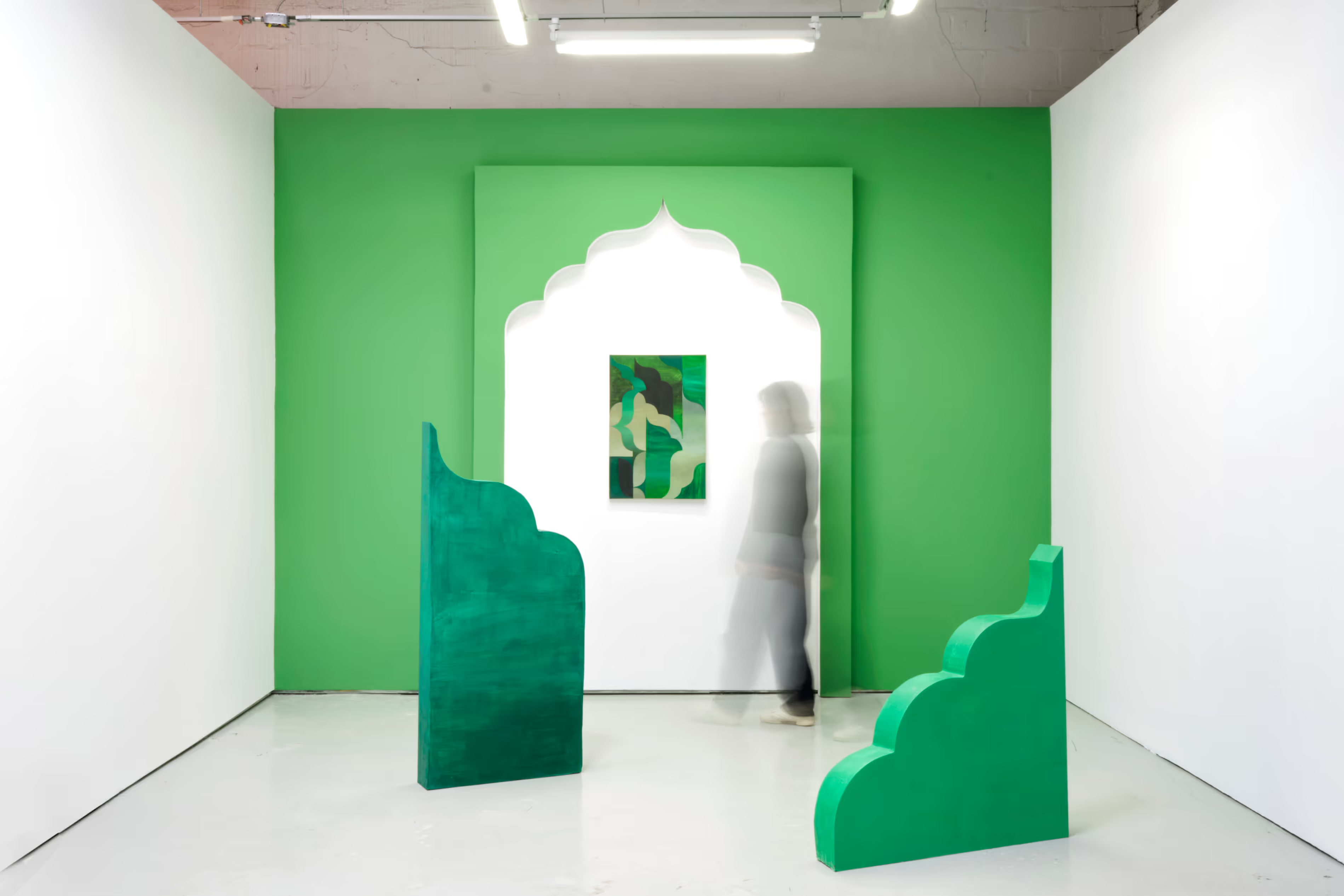
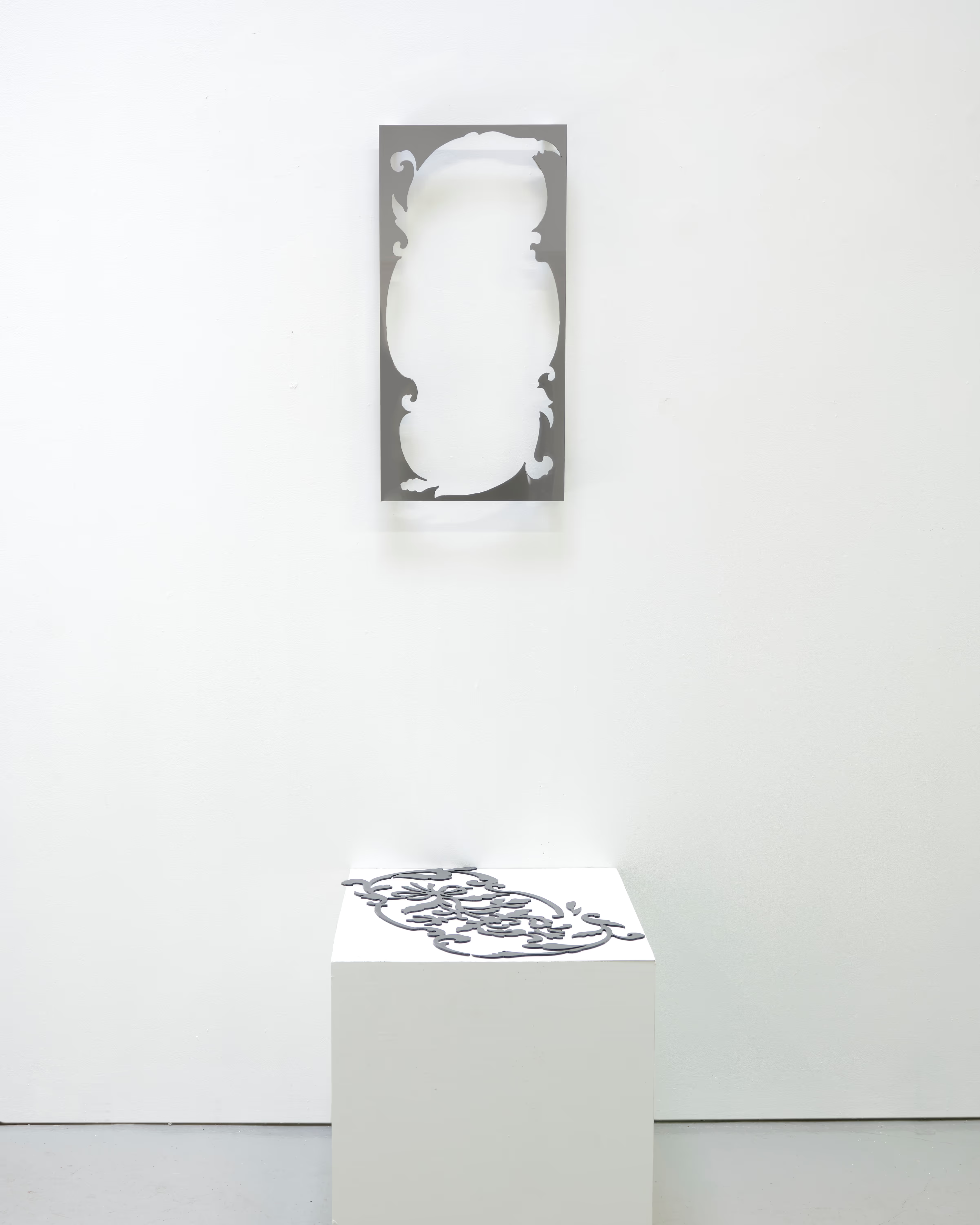
Anahita Akhavan creates paintings, sculptures, and installations that transform Islamic objects from lived rituals into layered, abstracted forms. She develops compositions through repeated motifs—architectural fragments, floral silhouettes, and shadows—using meticulous oil painting, stencil, textile, and laser-cut techniques. Her work translates two-dimensional elements into dimensional, tactile forms, arranged with attention to proportion, rhythm, and relational geometry. Drawing on architectural ideas of transparency and layering, her pieces explore depth and interstitial space, evoking courtyards and prayer rooms where presence and movement shape experience. Meaning emerges through repetition, spatial interplay, and materiality. While informed by philosophical and archival research, Akhavan’s practice is grounded in formal rigor and the translation of memory, devotion, and labor into tangible, sensorial experience.
Anahita Akhavan is an Iranian-Canadian artist whose practice examines Islamic art, architecture, and the politics of cultural translation. Working primarily in painting and expanded through textiles, sculpture, and printmaking, she explores how ornamentation, archives, and displaced objects embody spiritual, social, and aesthetic meaning. Born in Iran, she earned a BFA from the University of Tehran and an MFA from the University of Saskatchewan. Her work has been presented in Canada, the United States, and Iran, with residencies at the Banff Centre, AKA artist-run, and Joya: arte + ecología in Spain. Akhavan’s works are held in the collections of Global Affairs Canada, the Cleveland Clinic, Google, and other public and corporate collections.
Anahita's residency with NARS is made possible by Canada Council for the Arts.