Participants of Sunset Park’s open studios this weekend told Hyperallergic why they’ve shifted gears and joined the up-and-coming community.
Read more
Brooklyn’s NARS Foundation—short for New York Art Residency and Studios—presents a strong exhibition, curated by Marian Casey, of work inspired by the state of Texas and residents’ relationship to the land there. This weekend’s opening featured a compelling live performance by Jose Villalobos, who filled a series of cowboy hats with potting soil and then gorged himself on the dirt, shouting “silencio” in a chilling commentary on queer assimilation and machismo culture—it was disturbing, but impossible to look away. Highlights of the exhibition include Richard Armendariz’s woodblock prints of animals in the desert.
Read more
Highbrow / Brilliant: Immigrant, first-gen, and borderline artists get the spotlight at Governors Island's "Transient Grounds".
Read more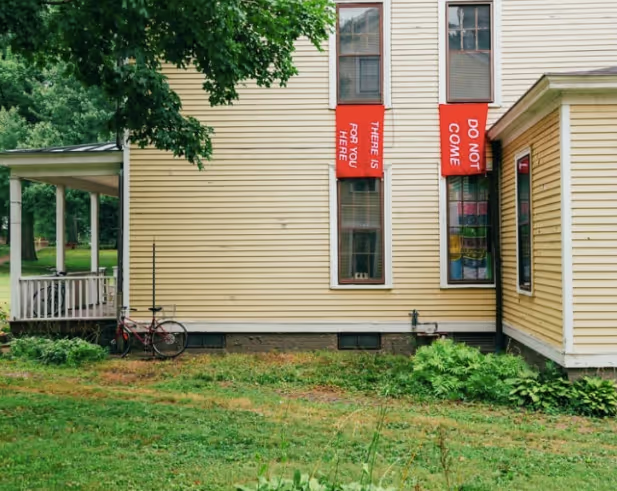
Brooklyn’s NARS Foundation—short for New York Art Residency and Studios—presents a strong exhibition, curated by Marian Casey, of work inspired by the state of Texas and residents’ relationship to the land there. This weekend’s opening featured a compelling live performance by Jose Villalobos, who filled a series of cowboy hats with potting soil and then gorged himself on the dirt, shouting “silencio” in a chilling commentary on queer assimilation and machismo culture—it was disturbing, but impossible to look away. Highlights of the exhibition include Richard Armendariz’s woodblock prints of animals in the desert.
Read more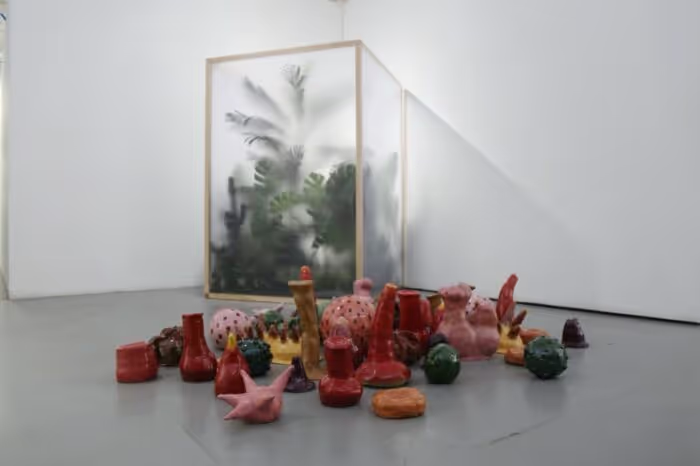
Curated by Nina Mdivani at NARS, the Brooklyn-based art, and residency center, “This Is Not My Tree” is a complex, unusually interesting group show based on the interaction of nature with the changing, often artificially established geopolitical boundaries we now encounter. It is a group show–fourteen participants (only a few can be mentioned in this text)–meant to comment on the complexity of transported species and the often tragic consequences of political change; several artists from Israel are represented as well as artists from the U.S., Saudi Arabia, Colombia, and Georgia. The exhibition, a bit constrained by the small space the work has been placed in, is itself an example of our preoccupation with boundaried sites in which species transported from far away now inhabit places they were foreign to only a generation or two ago. While there are too many artists to individually characterize here, it is clear that they all share the hope that art can unify and even transform the troubling, mixed mosaic of contemporary politics and ecological decay they are addressing.
Read more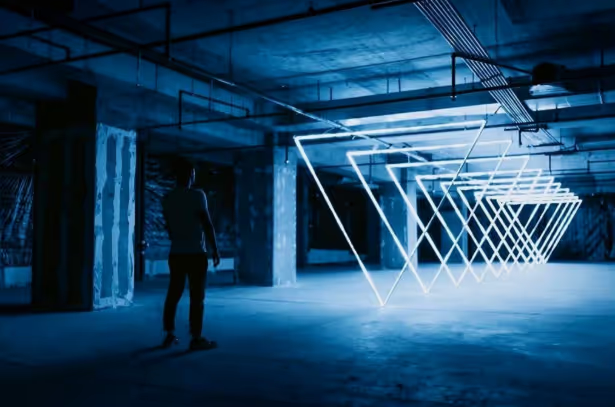
Brooklyn’s NARS Foundation—short for New York Art Residency and Studios—presents a strong exhibition, curated by Marian Casey, of work inspired by the state of Texas and residents’ relationship to the land there. This weekend’s opening featured a compelling live performance by Jose Villalobos, who filled a series of cowboy hats with potting soil and then gorged himself on the dirt, shouting “silencio” in a chilling commentary on queer assimilation and machismo culture—it was disturbing, but impossible to look away. Highlights of the exhibition include Richard Armendariz’s woodblock prints of animals in the desert.
Read more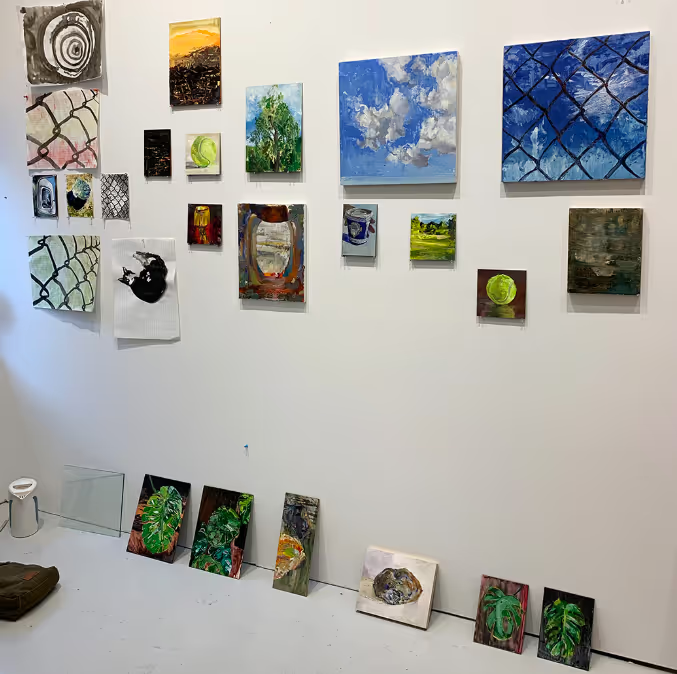
At the second iteration of Sunset Park Wide Open, artists displayed a collective need to challenge assumptions around materials and concepts.
Read more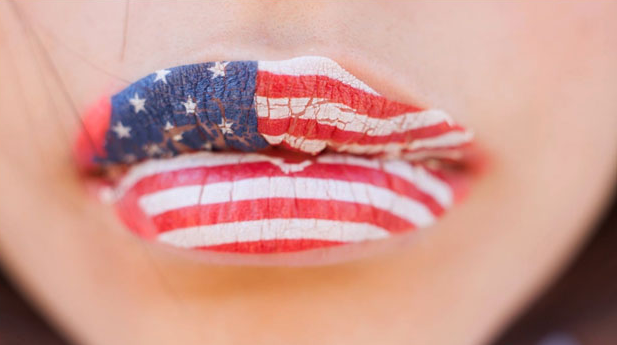
New York City prepares to usher in its newest biennial, one which avows to feature the voices, stories, and diverse practices of immigrant artists. At a time when immigrant rights are under fire and border politics have risen to fever pitch The Immigrant Artist Biennial seeks open up a space for dialogue by shining a light on the significant cultural contributions of contemporary immigrant artists. Founding Director and Curator Katya Grokhovsky aims to globally connect and unite international communities through ambitious and experimental multi-disciplinary programming. As The Immigrant Artist Biennial gets ready for its inaugural NYC launch this Spring, 2020 Arte Fuse sits down with Grokhovsky for an exclusive on what lies ahead.
Read more